
How to Offer Classic Car Detailing Services
In the world of automotive care, classic car detailing is a specialized service that demands not only skill but also a deep appreciation for automotive history. Classic cars require a unique approach in detailing due to their age, materials, and design intricacies, which sets them apart from modern vehicles. This guide aims to equip enthusiasts and detailing professionals with the essential knowledge to provide exemplary detailing services for classic cars.
The detailing process for classic vehicles goes beyond standard cleaning. It involves meticulous attention to detail, ensuring that every surface, from the bodywork to the interior, is restored to its original luster. Classic car detailing includes comprehensive services such as paint correction, chrome polishing, and leather conditioning, each tailored to preserve the vehicle’s authenticity and enhance its visual appeal.
Understanding the unique components of classic cars is crucial for any detailing service provider. Classic vehicles often utilize materials and finishes that differ significantly from today’s standards. As such, proper techniques and products must be employed to avoid damage and ensure longevity. This guide will outline the steps necessary to deliver high-quality detailing, ensuring that each classic car not only looks impeccable but also maintains its historical significance.
Choosing the Right Products for Classic Vehicle Care
When it comes to detailing classic vehicles, selecting the appropriate products is crucial for preserving their beauty and integrity. Classic cars often feature unique materials and finishes that require special attention. As a first step, it is essential to recognize the specific needs of vintage cars compared to modern vehicles.
One of the primary aspects to consider is the type of paint used on classic vehicles. Many older models have single-stage paint that is more susceptible to oxidation and damage. Therefore, using a gentle, pH-balanced car wash solution specifically designed for older paint types is advisable. This helps maintain the paint’s luster without causing further degradation.
Next, the choice of wax or sealant is fundamental in providing a protective layer over classic finishes. High-quality, natural waxes that contain carnauba are ideal, as they offer a rich shine and adequate protection without abrasive chemicals. Sealants can also be employed for long-lasting protection, but it is important to choose those that are compatible with traditional finishes.
Additionally, consider the condition of the leather or upholstery in classic vehicles. Using cleaning products formulated for vintage materials is crucial to avoid damage. Opt for conditioners that restore moisture and flexibility while preventing cracking and fading, particularly in cars that have seen prolonged exposure to the sun.
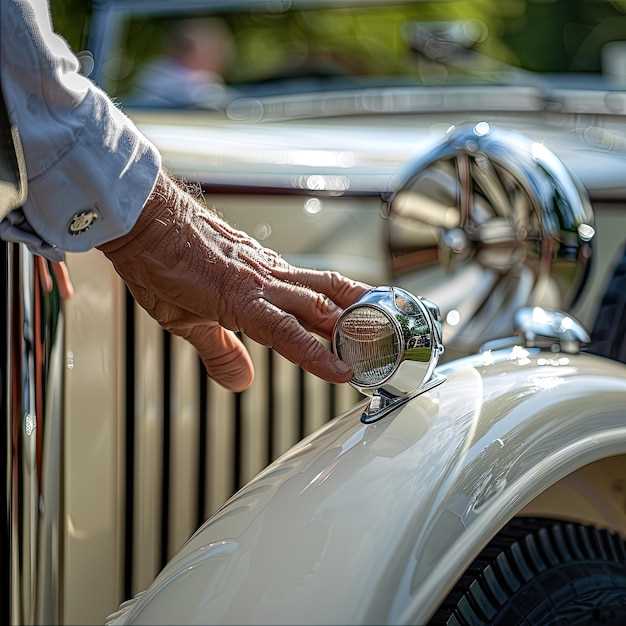
For chrome and metal components, selecting a dedicated metal polish will help to restore and maintain shine without scratching or eroding the surface. Look for products that are specifically targeted for classic car parts to ensure optimal results.
Lastly, environmental factors play a significant role in the care of classic vehicles. Utilizing products that are eco-friendly and biodegradable can protect the vehicle’s environment while promoting sustainability. This is especially important for classic cars that may be more sensitive to modern chemicals.
In summary, choosing the right products for classic vehicle care requires an understanding of the unique needs of older vehicles. Focusing on the appropriate cleaning, waxing, and conditioning solutions will ensure that these treasured cars are preserved for generations to come.
Techniques for Restoring Paint and Finishes on Vintage Cars
Restoring the paint and finishes on vintage cars is a meticulous process that requires specific techniques to bring out their classic beauty. The first step in this classic detailing service is thorough cleaning. Use a gentle car soap and soft wash mitt to remove dirt and contaminants without damaging the original paint.
Once the vehicle is clean, assessing the condition of the paint is crucial. Look for oxidation, scratches, or swirl marks. For minor imperfections, a dual-action polisher combined with a quality polish can effectively remove surface scratches and restore gloss. Always use a polishing pad designed for classic cars to minimize the risk of damage.
If the paint is severely oxidized, compounding may be necessary. A heavier compound can remove significant layers of oxidation. However, this step should be followed by polishing to refine the surface and enhance shine.
For vintage cars with original paint, consider using a paint sealant or wax specifically formulated for classic cars. These products provide protection while enhancing depth and clarity. Applying multiple layers of wax can create a stronger barrier against environmental elements.
In cases where the paint is beyond simple correction, a complete repaint might be the only option. Choosing a high-quality paint and a professional applicator ensures a finish that matches the car’s original aesthetic. Additionally, maintaining the classic color codes can preserve historical accuracy.
Lastly, after restoring the paint and finishes, regular upkeep is vital. Implementing ongoing detailing services, including periodic washing and reapplication of protective coatings, ensures the long-lasting beauty of classic cars.
Best Practices for Interior Detailing of Classic Automobiles

When providing a detailing service for classic vehicles, it is essential to approach the interior cleaning with care and precision to preserve the integrity of the materials and finishes. Classic automobiles often feature delicate fabrics, rare woods, and vintage leathers that require specialized techniques to maintain their original beauty.
Begin by removing all personal items, floor mats, and any other accessories from the interior. This initial step allows for a thorough cleaning of all surfaces without obstruction. Next, use a gentle vacuum with appropriate attachments to carefully eliminate dust and debris from carpets, upholstery, and hard-to-reach areas.
For upholstery, test a small, inconspicuous area before applying any cleaning solution to ensure it does not cause discoloration or damage. Use a microfiber cloth and a pH-balanced cleaner specifically formulated for the materials present in the vehicle. For leather seats, a specialized leather conditioner should be applied after cleaning to maintain suppleness and prevent cracking.
Windows should be cleaned using an ammonia-free glass cleaner to avoid damaging any tint or trim. Pay close attention to the edges and corners, where dirt often accumulates. After cleaning, ensure all glass surfaces are streak-free, enhancing visibility and overall aesthetic appeal.
Dashboard surfaces, often made of plastics or woods, should be treated with care. Utilize a soft brush or microfiber cloth to dust off surfaces before applying a gentle cleaning solution. Be cautious with shiny treatments, as they can create unwanted glare in direct sunlight. Instead, opt for a subtle, matte finish that complements the classic look of the vehicle.
Lastly, replace any items to their original placement, ensuring everything is returned neatly. Consider using air fresheners designed for vintage cars to maintain a pleasant aroma without overwhelming fragrances. By following these best practices, the interior detailing of classic automobiles can be performed effectively, enhancing their charm and longevity while satisfying the vehicle owner’s expectations.


