
How to Become a Classic Car Mechanic

Transitioning into the world of classic car mechanics offers a unique opportunity for those passionate about both automobiles and mechanical craftsmanship. The allure of vintage vehicles, combined with the challenge of restoring and maintaining them, attracts many aspiring mechanics. However, becoming a proficient classic car mechanic requires specialized training and a deep understanding of older automotive technologies.
To embark on this journey, potential mechanics must seek comprehensive training that emphasizes the unique aspects of classic cars. This includes learning about outdated systems, mechanical components, and restoration techniques that differ significantly from modern vehicles. Formal education can be obtained through automotive technology programs, vocational schools, or apprenticeships with seasoned classic car mechanics. The knowledge acquired during this training phase is crucial for diagnosing and repairing the intricacies of vintage automobiles.
In addition to formal training, aspiring classic car mechanics should immerse themselves in the community and culture of classic car enthusiasts. This involvement not only broadens practical skills but also helps build a network of contacts within the industry. Through hands-on experience and shared knowledge, one can gain the confidence to tackle the unique challenges that classic vehicles present.
Identifying Key Skills Required for Classic Car Mechanics
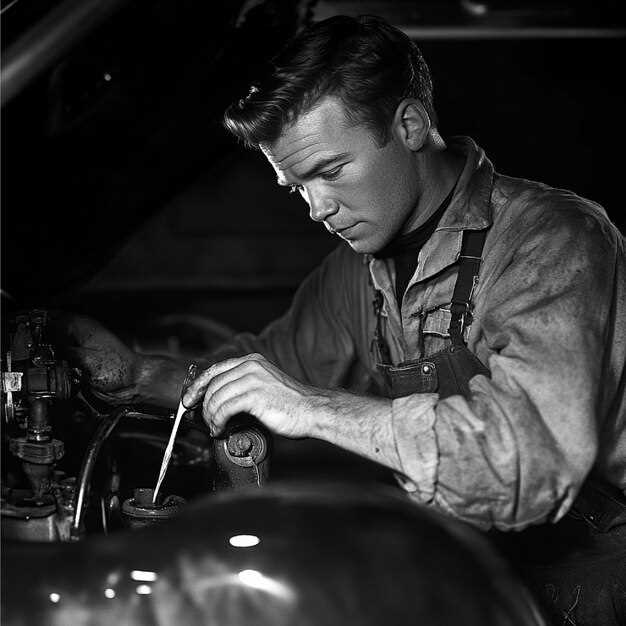
Becoming a successful classic car mechanic requires a unique set of skills, as these vehicles often differ significantly from modern cars in terms of technology and engineering. A strong foundation in traditional automotive repair is essential, complemented by specific knowledge regarding classic models.
One of the primary skills is mechanical expertise. Classic car mechanics must be adept at diagnosing and repairing various systems, including engines, transmissions, and suspensions. Familiarity with older technology and the ability to work without the advanced diagnostic tools commonly used today are critical.
Attention to detail is another crucial skill. Classic cars often have intricate designs and require meticulous restoration work. Mechanics need to be able to identify subtle issues that could affect performance and aesthetics, ensuring that restorations comply with original specifications.
Problem-solving abilities are essential in this field. Classic car mechanics frequently encounter unique challenges that require creative solutions, particularly when sourcing rare parts or addressing unconventional problems arising from age-related wear.
Training in classic car restoration can greatly enhance a mechanic’s capabilities. Hands-on experience combined with theoretical knowledge provides a solid base for understanding the complexities of these automobiles. Understanding the history, engineering, and quirks of various classic models is also beneficial.
Furthermore, communication skills are important for working with clients who may have sentimental attachments to their vehicles. Being able to explain repair processes and restoration options in a clear manner fosters trust and ensures client satisfaction.
Finally, a passion for classic cars is a cornerstone of this profession. A genuine interest in vintage automobiles drives mechanics to continuously learn and adapt, keeping their skills current and relevant in an evolving industry.
Choosing the Right Mechanic Training Programs and Certifications

When aspiring to become a classic car mechanic, selecting the appropriate training programs and certifications is crucial for developing necessary skills and expertise. Look for programs that specifically address the unique mechanics of vintage vehicles. This often includes training in systems that are less common in modern cars, such as carburetors, mechanical ignition systems, and analog electrical systems.
Accreditation is vital; seek out schools and programs that are recognized by automotive trade organizations or accredited by national bodies. These institutions typically offer comprehensive curricula that cover both theoretical knowledge and hands-on experience with classic cars.
Consider enrolling in specialized programs that focus on classic car restoration and repair. Many community colleges and vocational schools offer courses tailored to classic automotive technology. Certification from recognized manufacturers can also enhance your resume, especially if you aim to work with specific brands known for their classic models.
Additionally, internships or apprenticeship opportunities with experienced classic car mechanics provide real-world experience and invaluable mentorship. Gaining exposure to practical repair tasks, diagnostics, and restoration projects can significantly enhance your understanding and skills in this niche field.
In summary, prioritize programs that offer thorough training in classic car mechanics, ensure they have proper accreditation, and consider certifications that will set you apart in the automotive industry. Combining structured education with hands-on experience is the best path to becoming a skilled classic car mechanic.
Building a Portfolio and Gaining Practical Experience in Classic Car Restoration
To become a successful classic car mechanic, building a strong portfolio is essential. A well-curated portfolio showcases your skills, projects, and the variety of restoration tasks you have undertaken. Start by documenting each classic car you work on, detailing the challenges faced and the solutions provided. Include photographs of before-and-after stages of restoration, as visual evidence enhances your credibility.
Gaining practical experience is equally important. Seek internships or apprenticeships at established restoration shops or with seasoned mechanics in the field. These opportunities offer hands-on training, allowing you to learn the intricacies of working on classic models. Collaborate with experienced professionals who can mentor you, share valuable insights, and provide feedback on your techniques.
Consider joining classic car clubs and networks. These communities often provide opportunities for collaboration, as well as events where you can gain experience by helping with restoration projects or participating in workshops. Engage with other enthusiasts to expand your knowledge and network, as connections in the industry can lead to job opportunities and recommendations.
Additionally, participating in online forums and social media groups related to classic car restoration can enhance your understanding of current trends and techniques. By sharing your experiences online, you not only build your portfolio but also immerse yourself in the mechanical culture surrounding classic cars.
Finally, don’t hesitate to take on side projects or personal restorations. These experiences allow you to experiment with new techniques and learn at your own pace, further enriching your portfolio. As you build a comprehensive collection of your work, you establish a reputable presence in the classic car community, paving the way for a rewarding career as a mechanic.


