
Classic Cars and Fashion – Retro Style Influence
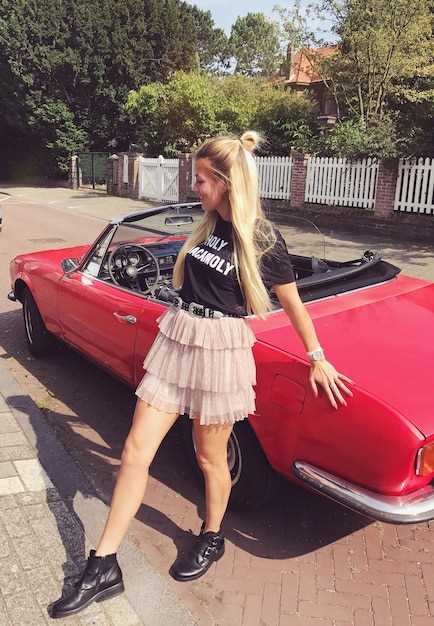
The allure of classic cars extends far beyond their mechanical beauty; they embody a vibrant connection to retro fashion, creating a powerful synergy that resonates with enthusiasts and fashionistas alike. The intersection of these two realms offers a unique lens through which we can explore the aesthetics and cultural significance of both automobiles and clothing from bygone eras. From the sleek lines of a vintage coupe to the elegant silhouettes of mid-century dresses, the marriage of classic automobiles and retro style reflects a timeless appeal that continues to inspire modern design.
In examining the relationship between classic cars and retro fashion, we uncover a rich tapestry of history and innovation. Vehicles from the 1950s and 1960s not only revolutionized transportation but also became icons of style, often featured in fashion magazines and films of the time. This crossover between classic cars and fashion illustrates how both domains have influenced one another, each serving as a benchmark for artistry, craftsmanship, and cultural expression.
Moreover, the revival of retro aesthetics in contemporary fashion circles often pays homage to the golden age of automotive design. Designers draw inspiration from the vibrant colors, bold patterns, and unique details that defined the looks of the past, creating a nostalgic experience that resonates with today’s audiences. The allure of classic automobiles paired with retro fashion not only celebrates history but also invites a new generation to appreciate the timeless elegance that both embody.
How Classic Car Design Influences Modern Retro Fashion Trends
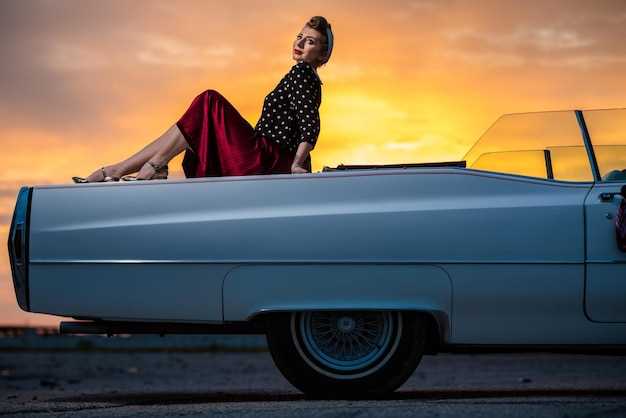
The allure of classic cars extends beyond their mechanical prowess; it significantly shapes modern retro fashion trends. The sleek lines, bold colors, and distinctive shapes of vintage automobiles often resurface in contemporary clothing and accessories, creating a seamless blend of style and nostalgia.
One major influence is the color palette derived from classic cars. Iconic shades such as cherry red, pastel blue, and deep green frequently appear in retro-inspired clothing collections. Fashion designers draw inspiration from vintage car finishes, using these vibrant colors to evoke the same feelings of freedom and adventure associated with road trips in classic vehicles.
The geometrical designs and streamlined aesthetics of classic cars often translate into patterns found in modern fashion. For instance, the chrome detailing and curves common in car design can inspire patterns on dresses and jackets, resulting in garments that echo the elegance and sophistication of automobiles from the past.
Accessories, too, are not immune to this influence. Handbags and shoes often mimic the textures and materials seen in classic car interiors, such as leather and vinyl. These elements add a touch of retro charm, enhancing fashionable ensembles while paying homage to the automotive designs that inspire them.
Furthermore, the culture surrounding classic cars–encompassing the freedom of the open road and the spirit of rebellion–invites fashion trends that encapsulate these themes. Styles such as denim jackets, high-waisted jeans, and graphic tees resonate with both car enthusiasts and fashion-forward individuals, creating a unique intersection of interests that continues to thrive.
Ultimately, the relationship between classic car design and modern retro fashion reflects a deep-seated influence that celebrates the past while driving forward into contemporary style. By incorporating elements of vintage automobiles into today’s wardrobe, individuals can honor the rich history of automotive design while embracing the enduring appeal of retro aesthetics.
Key Elements of Retro Fashion Inspired by Classic Automotive Aesthetics
Retro fashion takes significant cues from classic automotive designs, merging style with vintage elements. The influence of automotive aesthetics is evident in various aspects of clothing, accessories, and overall styling. Classic cars, with their sleek lines and distinctive colors, inspire fashion trends that evoke nostalgia and elegance.
One of the most notable elements is the use of bold colors and finishes that reflect iconic car shades from the mid-20th century. Shades like cherry red, classic blue, and mint green not only evoke the vintage car culture but also dominate fashion palettes. Textures play a crucial role; materials such as leather, denim, and synthetic fabrics often mimic the upholstery of classic vehicles, adding depth and authenticity to retro-inspired outfits.
The silhouette of retro fashion frequently mirrors the curves found in classic automotive designs. Tailored fits, high-waisted trousers, and cinched waists create an hourglass figure, reminiscent of the smooth lines of vintage cars. Accessories also reflect this influence, with items such as driving gloves, retro sunglasses, and patterned scarves that nod to the era of open-top cruisers and glamorous road trips.
Moreover, patterns commonly associated with automotive culture, such as checkerboard and stripes, frequently appear in fabrics and prints. These designs not only symbolize speed and dynamism but also become a staple in retro fashion, appealing to enthusiasts of both classic cars and vintage styles.
In conclusion, the connection between classic automotive aesthetics and retro fashion showcases a powerful influence that transcends time. By integrating elements inspired by classic cars, fashion emerges as a celebration of both style and history, inviting a new generation to embrace the elegance of the past.
The Role of Vintage Cars in Fashion Marketing and Brand Identity
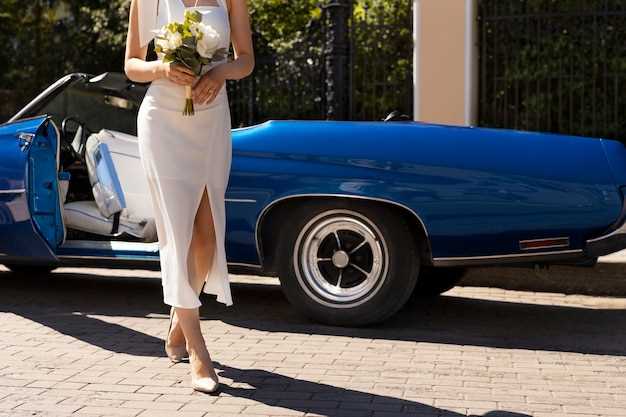
Vintage cars possess a timeless appeal that resonates with the principles of retro fashion, bridging the gap between classic design and contemporary marketing strategies. Fashion brands often leverage the elegance and nostalgia associated with these vehicles to create a strong emotional connection with their audience. The aesthetic charm of classic cars enhances the visual storytelling of fashion campaigns, allowing brands to convey their identity through a unique lens.
Incorporating vintage cars in advertising not only signifies a commitment to timelessness but also positions a brand within a specific cultural context that values heritage and artistry. Such associations help brands differentiate themselves in a saturated market. The presence of a retro vehicle can evoke feelings of sophistication and luxury, aligning perfectly with high-end fashion labels seeking to project an image of exclusivity.
Moreover, vintage cars serve as powerful symbols of lifestyle aspirations. They often evoke memories of a glamorous past, enticing consumers to align themselves with that narrative. This strategy is particularly effective in attracting audiences who appreciate classic aesthetics and seek to express their identity through their fashion choices. By integrating vintage vehicles into their branding, companies can successfully communicate their values and vision while also appealing to a sense of nostalgia.
Additionally, collaborations between fashion labels and classic car manufacturers have become more common, further combining the worlds of retro style and automotive excellence. These partnerships not only enhance brand visibility but also create a cohesive image that resonates with consumers who are passionate about both fashion and vintage automobiles. Overall, vintage cars play a crucial role in enriching fashion marketing efforts and shaping brand identity through their iconic presence and cultural significance.


