Classic Cars in Movies – Most Famous Rides
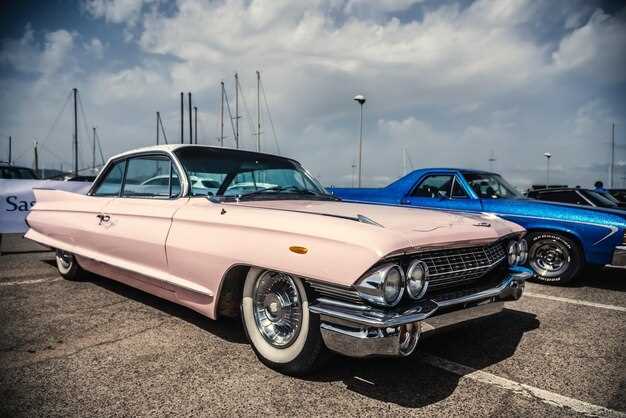
The relationship between classic cars and film history is a fascinating narrative that intertwines automotive engineering with cinematic artistry. These automobiles have not only defined eras but have also played integral roles in storytelling, representing freedom, rebellion, and nostalgia.
From the sleek lines of the 1961 Ferrari 250 GT California in “Ferris Bueller’s Day Off” to the legendary DeLorean DMC-12 in “Back to the Future,” classic cars have become symbols within the cinematic landscape. They often serve as more than mere transportation; they embody the aspirations and desires of their characters, enhancing emotional depth and authenticity.
In this exploration, we will delve into the most iconic classic cars that have graced our screens, examining how they contribute to film narratives and their lasting impact on popular culture. These vehicles are not just machines; they represent a blend of style, innovation, and storytelling that continue to captivate audiences around the world.
How Classic Cars Define Character and Setting in Movies
Classic cars serve as powerful symbols within film narratives, helping to define character traits and establish the setting. From the very first frame, automobiles can reveal much about a character’s personality, lifestyle, and social status. For instance, a vintage Cadillac can indicate wealth and prestige, while a rugged Jeep may suggest adventure and resilience.
Directors often use classic cars to enhance the authenticity of the time period depicted in the film. A 1960s Mustang evokes nostalgia and speaks to the cultural milieu of its era, grounding the story in a specific historical context. The choice of vehicle contributes to the film’s aesthetic, influencing the audience’s perception of the setting and the characters inhabiting it.
Classic cars can also facilitate plot development, serving as instruments for action or pivotal moments in storytelling. Iconic car chases, like those featured in “Bullitt” or “The French Connection,” not only entertain but also deepen the viewer’s understanding of the characters involved. The way characters interact with their vehicles can reveal underlying themes, such as freedom, rebellion, or conformity.
Moreover, classic cars often become extensions of their drivers, reflecting their inner desires and conflicts. A character’s choice in a classic car can symbolize their aspirations or past traumas, making vehicles vital to character arcs. By integrating classic cars into the narrative fabric, filmmakers craft deeper emotional connections between the audience and the story being told.
In summary, classic cars in film serve as critical storytelling devices. They define character, elevate setting authenticity, and amplify thematic elements, ensuring that these vehicles are more than mere transportation–they are central to the cinematic experience.
Key Classic Cars That Became Symbols of Their Films
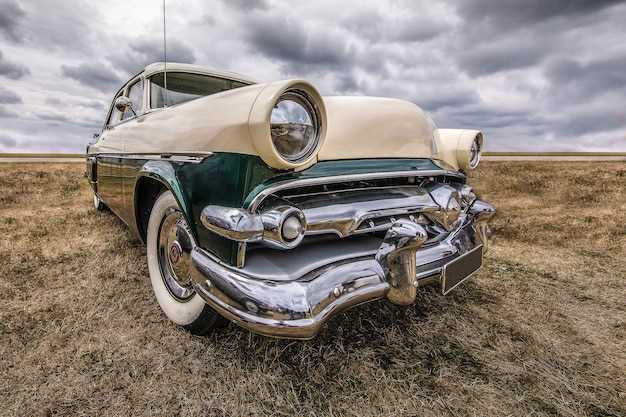
Throughout film history, certain classic cars have transcended their automotive roots to become integral to the identity of their respective films. These vehicles not only serve as modes of transportation but also embody the spirit and themes of the stories they inhabit.
One of the most iconic examples is the 1968 Ford Mustang GT driven by Steve McQueen in “Bullitt.” This classic car is synonymous with the film’s famous chase scene, elevating the Mustang to a symbol of coolness and rugged independence. Its performance and design have made it a lasting representation of American muscle.
The DeLorean DMC-12 from “Back to the Future” is another classic that has left an indelible mark on cinematic history. Its futuristic design and unique features, such as the gull-wing doors and stainless steel exterior, have made it an emblem of time travel and adventure, captivating audiences and making it a beloved classic car.
The 1959 Cadillac Eldorado from “Ghostbusters” is yet another vehicle that has achieved iconic status. Known as the Ecto-1, this classic car reflects the film’s quirky humor and supernatural themes. Its distinctive silhouette and colorful modifications have made it an enduring symbol of the ghost-busting franchise.
The Aston Martin DB5, famously associated with James Bond in films like “Goldfinger,” represents sophistication and style. This classic car is not just a vehicle; it showcases the elegance and gadgetry that the Bond franchise is known for, solidifying its status as a classic film car.
Lastly, the Volkswagen Beetle, known as Herbie in “The Love Bug,” is a classic car that embodies charm and personality. Its whimsical nature and anthropomorphic traits resonate deeply with audiences, making Herbie a beloved figure in family entertainment.
These classic cars have become symbols in their films, often reflecting the personalities of their characters and shaping the narratives they support. Their lasting appeal continues to inspire car enthusiasts and film fans alike.
The Impact of Classic Cars on Film Culture and Collecting
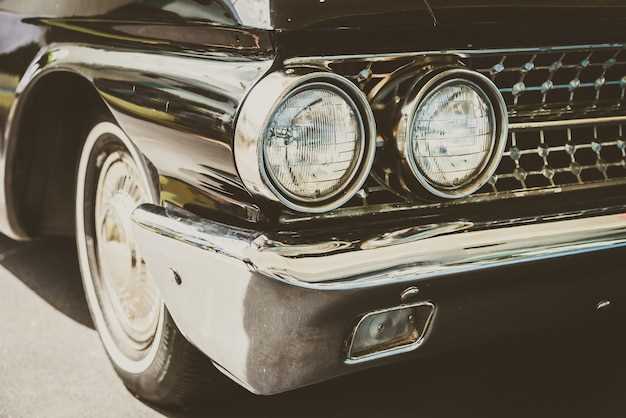
Classic cars have played a significant role in shaping film culture, serving as essential elements that enhance storytelling and establish iconic visuals. From the sleek lines of a 1961 Ferrari 250 GT in “Ferris Bueller’s Day Off” to the rugged charm of a 1967 Ford Mustang in “Bullitt,” these vehicles become characters in their own right, leaving lasting impressions on audiences. The integration of classic cars in movies often reflects the era’s aesthetics and cultural values, making them timeless symbols within cinematic narratives.
Moreover, classic cars showcased in films often lead to an increased interest in collecting among enthusiasts and fans. When audiences see their dream vehicles grace the silver screen, it ignites a passion for ownership, driving individuals to seek these cars for their collections. This phenomenon is evident in events like car shows and auctions, where film-associated vehicles command high prices and foster community among collectors eager to relive cinematic moments.
The presence of classic cars in film also influences popular culture by creating fashion trends and lifestyle aspirations. Moviegoers not only admire the cars but often associate them with the characters and plots they love. This connection fuels nostalgia and desire, encouraging fans to emulate the lifestyles portrayed in films. As a result, classic cars evolve into cultural artifacts that encapsulate the spirit of their respective films, further contributing to their value in collecting circles.
In conclusion, classic cars have left an indelible mark on film culture and the world of collecting. Their ability to convey emotion, nostalgia, and aspiration bridges the gap between cinema and real-life enthusiast communities, making them an inseparable part of our collective cinematic history.


