
How Classic Cars Became a Cultural Icon
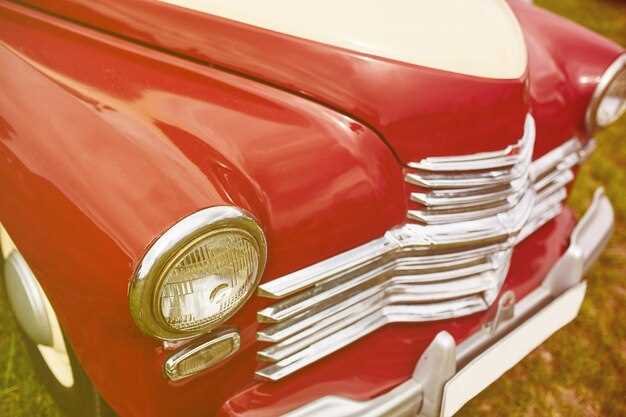
The history of classic cars is not merely the tale of automobiles; it is a reflection of the societal evolution and cultural shifts that have shaped our world. Each decade brought forth iconic vehicles that resonated with the values, aspirations, and dreams of the people living during that time. From the roaring twenties to the tech-savvy 21st century, classic cars have transcended their functional purpose to become enduring symbols of cultural identity.
As cultural icons, these vehicles embody more than just engineering prowess; they encapsulate the essence of their era. The design, style, and performance of classic cars often mirror the prevailing attitudes and artistic movements of their time. For instance, the sleek lines and bold designs of 1950s cars evoke a sense of optimism and innovation, while the muscle cars of the late sixties reflect a rebellious spirit and a thirst for freedom. Each model tells a story, connecting generations through a shared love for automotive craftsmanship and heritage.
Throughout the decades, classic cars have cemented their status as more than just transportation. They evoke a sense of nostalgia and pride, serving as a tangible link to our past. By understanding the role of classic cars as cultural icons, we can gain insight into the historical context in which they were created and appreciate their enduring impact on society.
Impact of the 1950s American Car Culture on Global Trends

The 1950s marked a pivotal moment in the history of automotive development, shaping not only American society but also influencing global cultural practices. American car culture during this decade emerged as a powerful symbol of freedom and prosperity, largely due to the post-World War II economic boom. This period saw the rise of the iconic classic cars that became essential elements of lifestyle and identity.
One of the most significant impacts of 1950s American car culture was its role in reshaping urban landscapes. Cities across the United States began adopting car-centric designs, prioritizing highways and drive-in establishments that catered to the automobile. This architectural transformation set a precedent that many countries later followed, adapting their infrastructure to accommodate growing automotive populations. The concept of suburbia also gained traction during this time, as families sought homes with easy access to highways, further establishing the car as a cultural cornerstone.
Moreover, the aesthetics and engineering of classic cars from this era set new benchmarks for automotive design globally. The emphasis on chrome detailing, tailfins, and bold colors captivated enthusiasts worldwide. This led to automotive manufacturers in other regions emulating these designs, influencing car styling in Europe, Japan, and beyond. The allure of American muscle cars and their distinctive styles inspired a generation of automotive designers and collectors, solidifying the U.S. as a cultural leader in the automobile industry.
Additionally, the burgeoning car culture of the 1950s gave rise to a new form of entertainment and social gathering. Drive-in theaters and car shows became popular attractions, reflecting the burgeoning youth culture and its desire for leisure activities. This trend of combining automobiles with lifestyle and entertainment was mirrored globally, as other countries adopted similar venues and events that celebrated vehicle ownership and community interaction.
The influence of the 1950s American car culture extends into modern times, where the nostalgia for classic cars continues to inspire car enthusiasts and collectors. Retro car shows and classic car restorations are now global phenomena, demonstrating the lasting impact of the era’s innovations and cultural significance. This fascination with vintage automobiles perpetuates a unique historical narrative, encapsulating the dual notion of freedom and style that defined an age.
In conclusion, the car culture of 1950s America transcended national borders, shaping global trends in urban planning, automotive design, and social dynamics. The legacy of this era remains firmly entrenched in the cultural landscape, highlighting the enduring appeal of classic cars as symbols of an iconic past.
Iconic Designs and Their Societal Reflections in the 1960s and 1970s
The 1960s and 1970s were pivotal decades for the automobile industry, marking a period where classic cars transcended their functionality to become cultural icons. These vehicles were not merely modes of transport; they embodied the spirit of the era, reflecting the social changes, rebellious attitudes, and burgeoning countercultural movements that defined the time.
One notable example is the Ford Mustang, introduced in 1964. Its sleek lines and sporty demeanor captured the essence of youthful freedom and individuality, resonating with a generation eager to break from traditional norms. The Mustang became more than a car; it was a symbol of the American Dream, representing aspiration and personal expression.
Similarly, the Chevrolet Corvette emerged as an icon of American engineering and design. Its aerodynamic shape and powerful performance showcased the era’s fascination with speed and progress. The Corvette mirrored societal shifts toward consumerism and automotive innovation, appealing to those who sought status and luxury in their vehicles.
Additonally, the Volkswagen Beetle, with its distinct rounded form, represented a different cultural narrative. It became a symbol of peace and nonconformity during a time of social upheaval, appealing to the counterculture with its association with the anti-establishment ethos. The Beetle’s popularity illustrated the growing desire for simplicity and functionality while opposing the excesses of consumer culture.
The designs of classic cars from this era not only reflect advancements in technology and aesthetics but also serve as a mirror to the changing societal values. They symbolize a shift towards personalization and freedom, encapsulating the cultural narratives of liberation, rebellion, and identity that were fiercely alive during the 1960s and 1970s. As icons of their time, these vehicles continue to resonate with enthusiasts and collectors, symbolizing a profound connection to history and collective memory.
Modern Revival of Classic Cars: Nostalgia and Market Trends
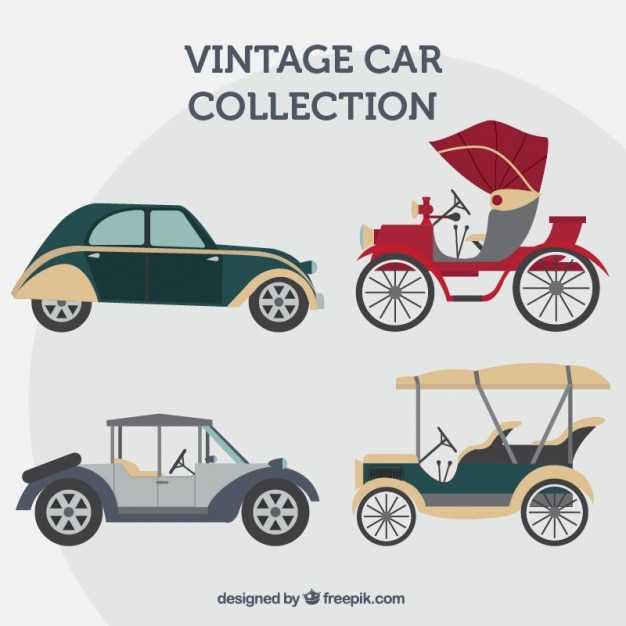
The resurgence of classic cars in contemporary culture reflects a deep-seated nostalgia for the past, capturing the hearts of enthusiasts and collectors alike. This revival is driven by an emotional connection to vehicles that have become icons of automotive history, representing eras defined by their unique design, engineering, and character.
In recent years, the classic car market has experienced significant growth, influenced by various factors including the emergence of younger collectors seeking a tangible representation of history. These individuals often view classic cars not merely as vehicles, but as artifacts that embody a certain lifestyle and cultural significance. The appeal lies in the aesthetic and mechanical simplicity of classic models, contrasting sharply with modern automobiles laden with technology.
Market trends reveal a shift toward electric and vintage vehicle restorations, as companies reimagine classic designs for today’s environmentally conscious consumers. Electric conversions of vintage cars maintain the original charm while addressing contemporary issues like sustainability. This blend of classic and modern further fuels the demand, creating a market that caters to both nostalgia and innovation.
Noteworthy events such as classic car auctions and enthusiast gatherings further solidify the status of these cars as cultural icons. They serve as platforms for showcasing restored vehicles and allow enthusiasts to share their passion, reinforcing the community around classic car culture. As the trend evolves, the investment value of classic cars remains stable, with many appreciating over time, appealing to collectors who view them as both a hobby and an investment.
Ultimately, the modern revival of classic cars highlights a collective yearning for connection to history, where these vehicles serve as physical reminders of the past, celebrating their legacy while adapting to the aspirations of present and future generations.


