
Beginner’s Guide to Classic Car Photography

Classic car photography is a captivating genre that combines the art of photography with the beauty and history of vintage automobiles. For beginners looking to explore this exciting field, understanding the nuances of capturing these iconic vehicles is essential. From choosing the right settings to finding the perfect location, this guide offers key tips to help you elevate your photography skills.
The beauty of classic cars lies not only in their design but also in the stories they tell through their curves and lines. To effectively capture their essence, you need to consider various elements such as lighting, angles, and composition. By employing these techniques, you will not only showcase the intricate details of the cars but also evoke a sense of nostalgia and admiration in your audience.
In the realm of photography, every shot tells a story. It’s important to approach each photograph with a clear vision and intention. By applying straightforward tips and techniques, aspiring photographers can create stunning images that truly reflect the character of the cars they love. Whether you’re snapping pictures at a car show, on a scenic route, or in a classic car garage, this article will provide you with the fundamental tips you need to get started on your classic car photography journey.
Selecting the Right Location for Stunning Shots
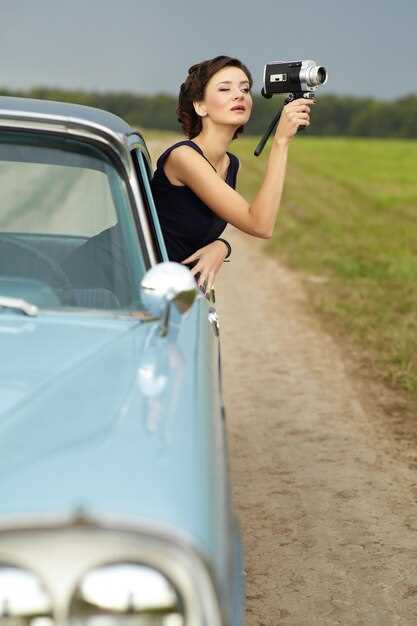
Choosing the perfect location is crucial in classic car photography, as it sets the mood and enhances the aesthetic appeal of your images. Look for settings that complement the unique character of the cars. Historic streets, vintage gas stations, and scenic rural backroads often provide excellent backdrops that resonate with the essence of classic vehicles.
Consider the lighting conditions when selecting a location. Early morning or late afternoon, known as the golden hour, offers soft, warm sunlight that can beautifully illuminate the curves and details of classic cars. Avoid harsh midday sunlight, which can create unflattering shadows and highlights.
In addition, ensure the background is not too cluttered, as this can distract from the main subject. A simple, uncluttered background allows the classic car to stand out. Look for interesting textures, such as weathered walls or lush greenery, that can add depth without overwhelming the image.
If possible, scout locations beforehand at different times of the day to understand how the light changes. This preparation can help you find angles that highlight the car’s best features while harmonizing with the surrounding environment.
Finally, don’t hesitate to experiment. Sometimes the most unexpected locations can yield stunning results. Urban settings with graffiti can lend an edgy contrast to a shiny classic car, while tranquil nature scenes can evoke a sense of nostalgia. Be creative and allow the unique charm of classic cars to shine through in your photography.
Mastering Lighting Techniques for Classic Car Photography
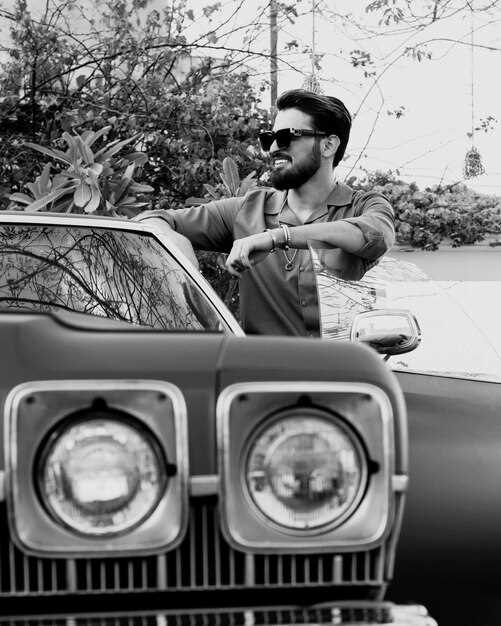
Effective lighting is essential for capturing the beauty and detail of classic cars. By mastering different lighting techniques, you can enhance the overall aesthetics of your photography. Here are some valuable tips to help you make the most of your lighting in classic car photography.
First, consider the time of day. Golden hour, which occurs shortly after sunrise and before sunset, provides soft, warm light that reduces harsh shadows and highlights the car’s curves. Plan your shoots around these times to achieve stunning results.
Next, experiment with natural light. Diffusing sunlight with reflectors or using shaded areas can minimize glare and reflections, allowing for a more even illumination of the car’s surfaces. Silver or white reflectors can be used to bounce light back onto the car, highlighting details without overpowering the scene.
For those cloudy days, take advantage of the soft, diffused light that overcast skies provide. This type of lighting can eliminate harsh shadows and give your images a more uniform tone. It’s particularly effective for highlighting intricate features of vintage cars.
In addition, consider using flash or artificial lighting sources. Off-camera flashes can be positioned to create dramatic shadows, add depth, and enhance the vehicle’s features. Be mindful of your flash settings; the strength should complement the ambient light rather than overpower it.
Lastly, don’t forget about angles. Different shooting perspectives can interact with light in unique ways, creating interesting reflections and highlights. Experimenting with low angles and close-ups can yield dynamic compositions that showcase the car’s design and craftsmanship.
By leveraging these lighting techniques, you can elevate your classic car photography, capturing the essence of timeless vehicles with precision and artistry.
Using Composition and Angles to Highlight Vintage Features
In classic car photography, composition and angles play a crucial role in showcasing the unique attributes of vintage vehicles. The goal is to draw the viewer’s eye to the car’s defining features, such as its curves, chrome details, and overall design aesthetic.
Begin by considering the rule of thirds. Imagine your frame divided into a 3×3 grid. Positioning the classic car along these lines or at their intersections can create a more dynamic image. This technique helps to emphasize specific parts of the vehicle, like the grille or headlights, making them the focal points of the photograph.
Experimenting with angles is equally important. Low angles can elevate the car’s stature, giving it a powerful presence. Shooting from a higher vantage point may provide a comprehensive view, allowing you to capture the automobile’s body lines and contours effectively. Consider perspective in your shots; a slightly tilted angle can add drama, creating a more engaging image.
Utilize leading lines in your composition. Elements such as roads, fences, or shadows can guide the viewer’s eye toward the classic car, enhancing the overall narrative of the photograph. This technique not only frames the vehicle but also integrates it into the surrounding environment, reinforcing its vintage charm.
Don’t overlook the background. Choose settings that complement the classic car without overwhelming it. Rustic factory walls, scenic landscapes, or vibrant city streets can provide context, making the car appear more immersive in its era. Clear backgrounds often help in isolating the car, ensuring that the focus remains on its antique features.
Lastly, lighting is a vital component of composition in classic car photography. Soft, diffused light, such as during golden hour, can highlight the car’s textures and colors, bringing out the intricate details of its design. This approach can evoke a nostalgic feeling that resonates with the essence of vintage cars.


