
The Market for Electric Classic Conversions

In recent years, the market for electric classic car conversions has witnessed significant growth, driven by a combination of environmental awareness, technological advancements, and shifting consumer preferences. The conversion of traditional internal combustion engine vehicles to electric powertrains not only aligns with sustainability goals but also breathes new life into beloved classic cars, making them relevant in today’s eco-conscious society.
As the demand for electric vehicles (EVs) rises, the conversion market has emerged as a compelling niche. Many classic car enthusiasts are seeking ways to modernize their vehicles while maintaining their original charm and aesthetics. This trend reflects a broader movement towards electrification across various sectors, highlighting a unique opportunity for businesses and craftsmen in the automotive industry. Conversion kits specifically designed for classic models allow owners to enjoy the benefits of electric driving, such as reduced emissions and lower operating costs, while preserving the nostalgic appeal of vintage cars.
The growing interest in electric classic car conversions is also supported by government incentives and increasing access to charging infrastructure. As cities and jurisdictions implement stricter emissions regulations and promote clean energy initiatives, the conversion market is likely to expand further. This evolving landscape presents both challenges and opportunities for manufacturers and service providers, who must adapt to the changing demands of consumers who expect reliability, performance, and sustainability in their vehicle choices.
Analyzing the Cost-Effectiveness of Electric Conversion Kits
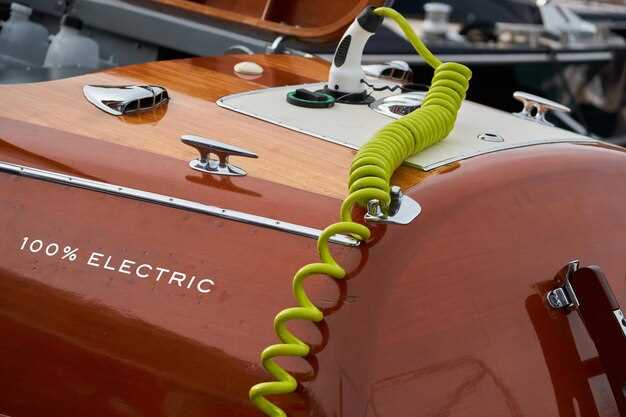
The surge in the popularity of electric vehicles has prompted a noteworthy shift in the classic car market. Electric conversion kits allow enthusiasts to transform their beloved vintage vehicles into efficient electric cars, combining nostalgia with modern technology. However, it is essential to analyze the cost-effectiveness of these kits to determine their viability for potential buyers.
Initially, the expense of electric conversion kits can be daunting. Typical kits range from $5,000 to $20,000, depending on the components and vehicle compatibility. This upfront investment must be weighed against the long-term savings on fuel and maintenance. Electric motors generally require less maintenance than traditional internal combustion engines, which can ultimately reduce ongoing costs for owners.
Furthermore, the increasing cost of gasoline and the growing emphasis on sustainability may enhance the appeal of electric conversions. Owners who are concerned about future fuel prices could find substantial savings over time. Additionally, the electric classic cars often qualify for tax incentives and rebates, which can further offset the initial investment. Analyzing local and federal incentives can provide a clearer picture of the actual costs involved.
Another significant consideration is the resale value of converted vehicles. As electric classic cars gain traction in the market, well-converted vehicles can command higher prices than their gasoline counterparts. Ensuring high-quality workmanship and using reputable conversion kits can dramatically affect the vehicle’s future marketability.
Ultimately, the decision to invest in electric conversion kits should incorporate both immediate financial implications and long-term benefits. A careful evaluation of personal values, environmental considerations, and financial strategy will help classic car enthusiasts navigate this burgeoning market effectively.
Exploring Popular Classic Models for Electric Conversion
The trend of electric car conversion is gaining momentum in the automotive market, particularly with classic vehicles. Enthusiasts and eco-conscious consumers alike are drawn to the idea of breathing new life into vintage cars while reducing their environmental footprint. Various classic models are becoming popular candidates for electric conversion due to their iconic designs, drivability, and compatibility with modern technology.
One standout model in the electric conversion market is the Volkswagen Beetle. Its simple architecture allows for easier integration of electric drivetrains, making it a favorite among converters. The Beetle’s lightweight design enhances its electric range, offering an appealing package for both nostalgia and efficiency.
The Ford Mustang is another classic that has seen a surge in electric conversions. Known for its powerful performance and enduring popularity, a converted Mustang can deliver impressive speed and torque, appealing to both classic car lovers and performance enthusiasts. Upgrading to electric technology in this iconic muscle car not only preserves its legacy but also enhances its capabilities.
Further, the Chevrolet Camaro stands out as an ideal candidate. Its robust body and performance potential make it a prime choice for those looking to achieve a high-performance electric vehicle. The classic body lines combined with an electric powertrain create a unique driving experience that retains the spirit of the original model.
Finally, classic Land Rovers are becoming increasingly popular for conversion projects. Their rugged build and off-road capabilities translate well to electric setups, providing enthusiasts with a sustainable yet capable vehicle for adventure. The market for electric conversions of classic Land Rovers is expanding, combining the charm of British design with modern eco-friendly technology.
As the demand for electric vehicles continues to rise, these classic models represent a bridge between past and future, allowing car enthusiasts to enjoy their favorite vehicles while embracing sustainable practices. The electric conversion market is set to flourish as more individuals recognize the potential of transforming classic cars into efficient, eco-friendly machines.
Regulatory Challenges and Incentives for Electric Classic Car Owners
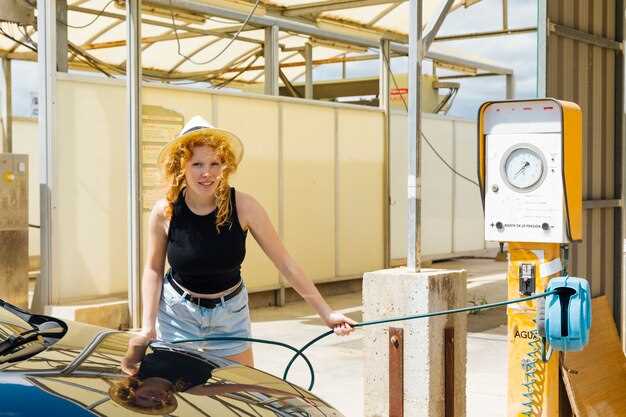
The transition to electric classic car conversions presents a unique set of regulatory challenges that owners must navigate. One of the primary concerns is the compliance with local emission regulations, which vary widely across regions. Many classic cars, originally designed with internal combustion engines, face hurdles when retrofitted with electric drivetrains. Owners must ensure that their conversions meet safety and operational standards set by regulatory bodies.
In addition to emission standards, there are challenges related to vehicle registration. Some jurisdictions may impose restrictions on registering converted classics, requiring extensive documentation to prove that the car has been safely retrofitted.
Conversely, there are numerous incentives available for electric classic car owners. Governments, recognizing the environmental benefits of electric vehicles, often provide tax credits, rebates, or grants for such conversions. These financial incentives can significantly offset the cost of the conversion process, making it more appealing for enthusiasts to embrace electric technology without compromising the charm of their classic vehicles.
Furthermore, some states are beginning to introduce special provisions for electric classic cars, allowing them to qualify for green vehicle status. This includes perks such as reduced registration fees, access to carpool lanes, and exemptions from certain emissions tests. As the market for electric classic cars expands, it is crucial for owners to stay informed about both the regulatory landscape and the available incentives to maximize their investment in these sustainable vehicles.


