
Sustainable Materials for Classic Car Restoration

In the world of classic car restoration, the choice of parts significantly impacts the project’s overall sustainability. As enthusiasts and restorers increasingly recognize the importance of environmental stewardship, the integration of sustainable materials into restoration processes has become a top priority. By opting for eco-friendly alternatives, restorers not only preserve the legacy of classic automobiles but also contribute to a greener future.
The use of sustainable materials offers both functional and aesthetic advantages when restoring classic cars. For instance, bamboo composites and recycled metals provide lightweight yet durable options for various components, ensuring that the integrity of the vehicle is maintained while minimizing environmental footprints. Embracing these innovative materials fosters a strong commitment to sustainability, enabling restorers to make choices that align with modern ecological values.
Moreover, sourcing parts from responsible manufacturers who prioritize sustainable practices can enhance the overall restoration experience. This approach not only supports the use of ethically and sustainably produced materials but also encourages a culture of responsibility within the automotive community. By choosing sustainable options, classic car enthusiasts can showcase their vehicles as symbols of style, heritage, and environmental consciousness.
Choosing Eco-Friendly Replacement Parts for Classic Vehicles
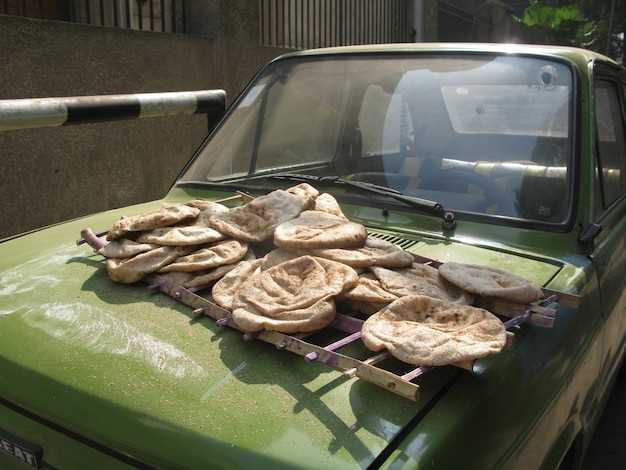
When restoring classic cars, the choice of parts plays a crucial role in ensuring sustainability. Eco-friendly replacement parts not only reduce environmental impact but also preserve the integrity of these vintage vehicles. One key aspect is the source of materials used in manufacturing these parts; opting for recycled or bio-based materials can significantly lower the carbon footprint compared to traditional options.
Another important consideration is the longevity and durability of replacement parts. High-quality, sustainable materials often provide better performance and lifespan, reducing the frequency of replacements. This aligns with the principles of sustainability by minimizing waste and resource consumption over time.
Additionally, selecting parts from manufacturers that prioritize ethical practices and have transparency about their supply chains can enhance the sustainability of a restoration project. Supporting companies that emphasize eco-friendly production methods ensures that your restoration efforts contribute positively to the environment.
Lastly, consider parts that are designed for easy repairability and recyclability. This approach not only helps sustain the classic vehicle’s value but also encourages a culture of responsible consumption and environmental awareness within the automotive community.
Upcycling Techniques for Classic Car Restoration Materials

Upcycling techniques play a crucial role in enhancing the sustainability of classic car restoration projects. By creatively reusing existing materials, car enthusiasts can preserve the authenticity of their vehicles while minimizing waste and environmental impact.
One effective method is to refurbish worn-out parts. For instance, components like bumpers, fenders, and dashboards can often be sanded down, repainted, or reupholstered rather than replaced entirely. This process not only retains the original character of the car but also supports sustainability by reducing the need for new materials.
Another technique involves the use of salvaged materials. Sourcing parts from other vehicles or scrap yards allows restorers to find high-quality items that can be restored rather than purchased new. This practice not only saves money but also extends the lifecycle of existing materials, aligning with sustainable principles.
Shaping and repurposing damaged parts is also popular among restorers. For example, old metal components can be melted down and reformed into functional pieces. Wooden elements can be rebuilt using similar aged wood to maintain the vehicle’s integrity and aesthetic. These methods demonstrate innovation and respect for automotive heritage while supporting sustainability efforts.
Finally, leveraging modern technology, such as 3D printing, can provide solutions for creating hard-to-find parts. By designing custom components based on existing patterns, restorers can avoid the environmental cost associated with mass production. This technique not only allows for precise matches but also significantly reduces waste.
Incorporating these upcycling techniques into classic car restoration not only contributes to sustainability but also inspires a new generation of car enthusiasts to appreciate and uphold automotive history.
Evaluating the Durability of Sustainable Options in Classic Car Restoration
The restoration of classic cars is often a labor of love, requiring careful consideration of materials used in the process. Sustainability has become a crucial factor in selecting parts, with an emphasis on preserving the environment while maintaining performance and aesthetic integrity. Evaluating the durability of sustainable materials is essential to ensure they can withstand the rigors of automotive use.
One of the primary sustainable options for classic car restoration is the use of bio-based plastics. These materials are derived from renewable resources such as corn or sugarcane, providing an eco-friendly alternative to traditional petroleum-based plastics. Testing shows that when properly formulated, bio-based plastics can exhibit comparable durability and impact resistance to conventional counterparts, making them viable for interior parts and trim elements.
Recycled metals also offer a sustainable choice for restoration projects. Utilizing aluminum or steel sourced from recycled materials not only reduces the demand for new metal production but also maintains structural integrity in critical components. When sourced correctly, recycled metals demonstrate remarkable strength and resistance to corrosion, essential traits for any automotive application.
Another notable option is natural fiber composites, which combine organic fibers like hemp or flax with biodegradable resins. These composites are lightweight yet strong, making them suitable for body panels or reinforcement applications. While they may require more careful handling compared to traditional materials, ongoing advancements in resin technology are enhancing their durability and resistance to environmental stressors.
Lastly, when evaluating sustainable paints and finishes, it is vital to consider their longevity and resilience. Water-based paints now provide lower volatile organic compound (VOC) emissions without sacrificing durability. With proper application and maintenance, these eco-friendly finishes can endure the elements, keeping classic cars looking pristine for years to come.
In conclusion, the durability of sustainable materials in classic car restoration is improving, allowing car enthusiasts to make environmentally conscious choices without compromising quality. By prioritizing sustainability in selecting parts, restorers can contribute to a more responsible automotive culture while preserving the beauty and functionality of classic vehicles.


