
How Technology Is Changing Classic Car Restorations

The world of classic car restoration has witnessed a remarkable transformation in recent years, thanks to the advent of modern technology. Restoration, once purely a labor-intensive process relying on traditional skills and techniques, has now become an intricate blend of craftsmanship and cutting-edge innovation. Enthusiasts and professionals alike are harnessing the power of digital tools, advanced materials, and engineering breakthroughs to breathe new life into vintage vehicles.
Modern technologies such as 3D scanning and printing have revolutionized the way restorations are approached. This allows restorers to create precise replicas of hard-to-find parts, ensuring that authenticity is maintained without compromising functionality. Additionally, the integration of computer-aided design (CAD) in the restoration process has streamlined workflows, allowing for intricate modifications that were previously unimaginable.
Moreover, advancements in automotive diagnostics and performance technology have made it possible to enhance classic cars without diminishing their nostalgic value. By incorporating modern electronics and fuel-efficient systems, restorers can improve reliability while preserving the original charm. This marriage of old and new not only enhances the driving experience but also positions classic cars for a sustainable future.
Integrating 3D Printing for Custom Parts in Classic Cars

The restoration of classic cars often involves the need for custom parts that are either no longer available or prohibitively expensive. 3D printing offers an innovative solution to this challenge, allowing restorers to create precise replicas of components with relative ease.
By utilizing 3D scanning, restorers can capture the intricate details of original parts, thus ensuring that the printed versions maintain the same dimensions and features. This technology significantly reduces the time and effort required to source hard-to-find items, streamlining the restoration process.
One of the key advantages of 3D printing in classic car restoration is the ability to use various materials tailored to specific needs. For instance, printed parts can be crafted from durable plastics that withstand environmental stressors, or even metallic filaments for greater strength and authenticity. This flexibility allows restorers to balance aesthetics and functionality, enhancing the overall quality of the finished vehicle.
Moreover, 3D printing facilitates rapid prototyping, enabling restorers to test fit and form before committing to final production. This iterative process helps identify any necessary adjustments early on, ensuring that the custom parts not only fit perfectly but also meet the performance standards expected from classic vehicles.
As the automotive restoration industry continues to embrace modern technology, 3D printing stands out as a game-changer. It empowers enthusiasts and professional restorers alike to bring classic cars back to life with unprecedented precision and creativity, boosting both the authenticity and functionality of restored vehicles.
Utilizing Diagnostic Tools to Streamline Restoration Processes
In the realm of classic car restoration, the incorporation of modern diagnostic tools has revolutionized the processes involved. These tools, which range from advanced diagnostic software to handheld devices, enhance the accuracy and efficiency of identifying issues within vintage vehicles. By employing such technology, restorers can pinpoint specific problems that often go unnoticed during a traditional inspection.
Diagnostic tools assist in assessing the health of critical systems such as the engine, transmission, and electrical components. With precise data at their fingertips, restorers can prioritize tasks and allocate resources more effectively, leading to a more organized and systematic approach to restoration. This not only saves time but also significantly reduces the risk of overlooking essential repairs that could impact the overall performance of the vehicle.
Moreover, these tools facilitate the documentation of the restoration journey. By digitally logging issues and repairs, restorers maintain a comprehensive record that adds value to the vehicle. This history is vital for potential buyers, ensuring transparency and fostering trust in the quality of the restoration.
Furthermore, the integration of scan tools allows restorers to interface with the car’s onboard computers. This engagement provides insights into software-related issues, enabling the restoration of technology that may not have been functional for decades. As a result, classic cars can be updated to meet contemporary standards while preserving their original charm.
Ultimately, utilizing diagnostic tools in classic car restoration not only streamlines the process but also enhances the quality of the final product. By embracing this technology, restorers are equipped to deliver vehicles that not only look phenomenal but perform reliably, marrying the elegance of classic design with modern efficiency.
Enhancing Performance with Modern Electrical Systems in Vintage Vehicles
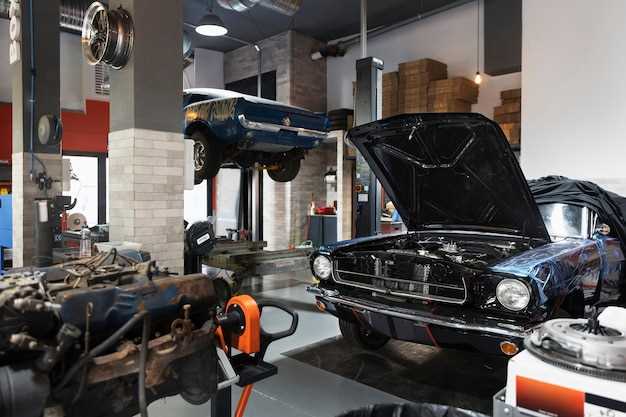
Modern electrical systems have revolutionized the way vintage vehicles perform, blending classic aesthetics with cutting-edge technology. One primary enhancement is the integration of electronic fuel injection (EFI), which improves fuel efficiency, reduces emissions, and offers better throttle response compared to traditional carburetors. This technology allows for precise control over the air-fuel mixture, crucial for maximizing engine performance.
Additionally, modern ignition systems have replaced outdated setups, providing more reliable starting and improved timing accuracy. With features like coil-on-plug setups and programmable logic, these systems can adapt to varying driving conditions, enhancing overall performance and drivability. This shift not only increases power output but also improves engine longevity by ensuring optimal combustion.
Another vital upgrade is the adoption of lightweight, high-capacity batteries and alternators. Vintage cars often struggle with power demands from modern accessories. Upgrading the electrical systems includes installing more efficient batteries that provide consistent power, allowing for additional features such as upgraded audio systems or GPS navigation without straining the vehicle’s electrical capabilities.
Moreover, the incorporation of advanced wiring harnesses, equipped with modern connectors and fuses, enhances reliability and simplifies maintenance. These systems reduce the risk of electrical failures, making it easier to troubleshoot issues and ensuring that the vehicle operates smoothly. Stability and longevity are critical for performance, and modern technology delivers in this regard.
Finally, integrating electronic control units (ECUs) allows vintage vehicles to take advantage of real-time data monitoring and adjustments. These devices can refine performance parameters, adapting to the driver’s style and various environmental conditions. The result is a responsive, dynamic driving experience that combines the charm of classic cars with the efficiency and performance expected in today’s automotive landscape.


