
Spring Checklist for Classic Car Owners

As the warmth of spring heralds the return of driving season, classic car enthusiasts must turn their attention to the essential maintenance tasks that ensure these timeless vehicles continue to perform at their best. The meticulous care of classic cars is not just a labor of love; it is crucial for preserving their value and longevity. A well-thought-out spring maintenance checklist can help owners address the unique needs that arise after months of hibernation.
When it comes to classic cars, every detail matters. From inspecting the engine to ensuring that the transmission is functioning smoothly, each component requires thorough examination. Tire pressure, fluid levels, and battery health are among the basic checks that should not be overlooked. A comprehensive approach to maintenance is vital, as it minimizes the risk of unexpected breakdowns during those cherished spring drives.
Embracing springtime with a solid maintenance strategy sets the stage for an enjoyable driving experience. This checklist serves as a guide for classic car enthusiasts to navigate through the intricacies of vehicle care, ensuring that each aspect is attended to before hitting the road. With the right preparations, classic cars can once again shine, echoing the nostalgia of days gone by and the exhilaration of adventures yet to come.
Inspecting and Replacing Fluid Levels for Optimal Performance
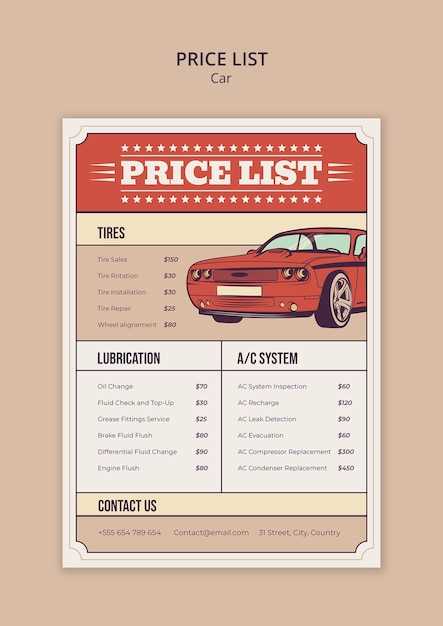
As spring approaches, it’s crucial for classic car enthusiasts to focus on maintenance tasks that ensure optimal performance throughout the driving season. One of the most essential aspects of this care is inspecting and replacing fluid levels. Regular checks and timely replacements will not only enhance the vehicle’s functionality but also prevent long-term damage.
Start with the engine oil, which lubricates moving parts and reduces friction. Check the oil level using the dipstick, ensuring it falls between the minimum and maximum marks. If the oil appears dark and gritty, it’s time for a change. Spring maintenance is the perfect opportunity to replace old oil with fresh fluid, ideally using a product suited for classic car engines.
Next, inspect the coolant level. A proper coolant mixture prevents overheating during warm weather. Check the coolant reservoir and radiator for adequate levels and look for any signs of leaks. If necessary, flush the cooling system and refill it with a mixture of antifreeze and distilled water.
Brake fluid is another critical fluid to examine. Low brake fluid can lead to decreased braking performance, posing a safety hazard. Check the reservoir and add fluid as needed. If the fluid appears discolored or has absorbed moisture, a complete brake fluid change should be performed.
Don’t forget about transmission fluid, which ensures smooth shifting and protects internal components. Inspect the transmission dipstick, and if the fluid is low or has a burnt smell, a change is in order. Proper levels and clean fluid help maintain your classic car’s performance and reliability.
Lastly, check power steering fluid levels as well. Low levels can cause difficult steering and increase wear on the system. Inspect the fluid level and condition, adding more if necessary. If the fluid is dirty or foamy, consider a complete system flush.
By diligently inspecting and replacing fluid levels during your spring maintenance routine, you safeguard your classic car’s performance, ensure safety, and enjoy smoother rides throughout the season. Taking these steps is an investment in the longevity and reliability of your cherished vehicle.
Evaluating Tire Condition and Proper Inflation Techniques
For classic car enthusiasts, maintaining the vehicle’s tire condition is crucial for both safety and performance. Tires are the only point of contact between your car and the road, making their evaluation essential during your spring maintenance routine.
Start by inspecting the tread depth. A minimum of 2/32 of an inch is recommended for safe driving. Use a tread depth gauge or the penny test–if Lincoln’s head is visible, it’s time for new tires. Inspect for uneven wear patterns, which could indicate alignment issues or improper inflation.
Next, examine the sidewalls for cracks or bulges. Aging tires can develop dry rot, leading to potentially dangerous blowouts. If you spot any significant defects, it’s advisable to consider replacing the tire.
Proper tire inflation is equally important for maintaining your classic car’s performance and safety. Under-inflation can lead to overheating and increased wear, while over-inflation reduces the tire’s contact with the road and can result in a harsh ride.
To ensure proper inflation, check the tire pressure with a reliable gauge at least once a month. Refer to the manufacturer’s specifications, typically found on a sticker inside the driver’s door or in the owner’s manual. Always measure tire pressure when the tires are cold for the most accurate reading.
Lastly, consider rotating your tires as part of your seasonal maintenance. Regular rotation helps achieve even tire wear and prolongs the life of your tires, providing a better experience when driving your classic vehicle.
Checking Electrical Systems and Battery Life in Classic Cars
Maintaining electrical systems is a crucial aspect of classic car maintenance, as these vehicles often rely on aging components that can develop issues over time. Begin your spring check by examining the battery. Look for any signs of corrosion on terminals, which can hinder performance and lead to starting problems. Clean the terminals with a mixture of baking soda and water to remove any buildup.
Next, assess the battery’s voltage using a multimeter. A healthy battery should read between 12.4 and 12.6 volts when fully charged. If the reading is lower, consider recharging the battery or replacing it if it no longer holds a charge effectively.
Inspect the wiring throughout the vehicle. Look for frayed or exposed wires that can cause shorts or electrical failures. Ensure that all connections are secure and insulated properly to prevent any potential issues while driving. Additionally, check fuses and relays for any signs of wear or damage; replacing blown fuses can restore functionality to various electrical components.
Test the operation of lights, turn signals, and gauges to ensure they function correctly. Classic cars may utilize older technology, making it essential to verify that all electrical systems are in good working order. If lights dim or flicker, it may indicate a problem with the battery or alternator.
Finally, don’t forget about the ignition system. Check spark plug wires, coils, and ignition switches for reliability. A well-functioning ignition system is vital for a smooth-running classic vehicle.


