
How to Store a Classic Car Long-Term
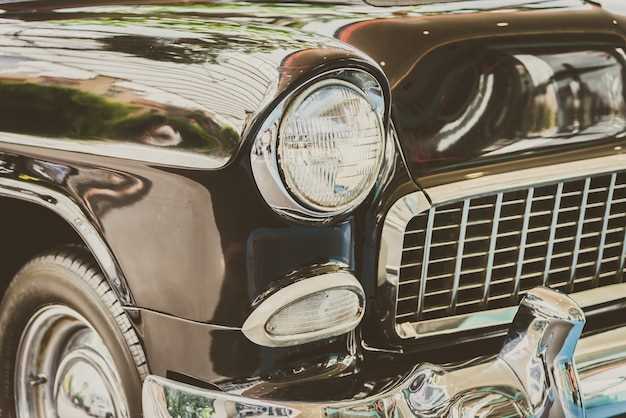
When it comes to preserving the charm and integrity of your classic vehicle, proper storage is paramount. Many car enthusiasts take pride in their collections, but without the right precautions, even the most cherished automobiles can suffer from deterioration over time. Implementing effective storage tips can make a significant difference in maintaining their condition for the long haul.
First and foremost, it is essential to choose an appropriate storage location. This space should be dry, temperature-controlled, and free from direct sunlight to prevent paint and upholstery damage. While your garage might suffice, consider specialized storage facilities designed for classic cars, which provide climate control and added security.
In addition to choosing the right location, meticulous preparations are key to ensuring your vehicle remains in peak condition during storage. This includes routine maintenance, such as oil changes and fluid checks, to protect the engine and other critical components. Taking the time to follow these tips not only extends the life of your vehicle but also contributes to its future value, making your investment worthwhile.
Preparing Your Classic Vehicle for Extended Storage
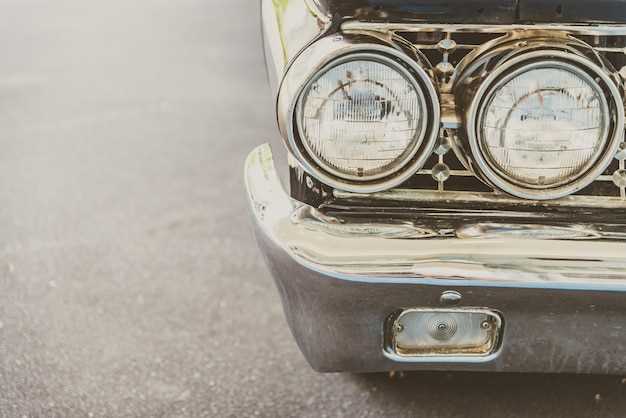
Preparing your classic vehicle for extended storage requires careful planning and attention to detail. Following these essential tips will help ensure that your investment remains in excellent condition during its time in storage.
First, thoroughly clean the exterior and interior of your classic car. Removing dirt, dust, and contaminants will help prevent corrosion and deterioration. Waxing the exterior can add an extra layer of protection against moisture and dirt accumulation.
Next, change the engine oil and filter. Old oil can contain contaminants that may damage engine components over time. Fresh oil will keep the engine parts lubricated while stored. Additionally, fill the gas tank to prevent moisture from forming inside and add a fuel stabilizer to prolong the fuel’s life.
Consider disconnecting the battery or using a battery maintainer to prevent it from draining. If you choose to disconnect it, make sure to cover the terminals to avoid any accidental short circuits.
To protect tires from flat spots, elevate the vehicle. If this is not possible, inflate the tires to the recommended pressure and consider using tire covers to shield them from light and temperature fluctuations.
Finally, cover your classic car with a breathable car cover. This prevents dust accumulation while allowing moisture to escape, which helps to avoid mold and mildew formation. Make sure that the storage environment is cool, dry, and well-ventilated to facilitate the best possible conditions during the storage period.
Choosing the Right Environment for Car Storage
When it comes to long-term storage of classic cars, selecting the appropriate environment is crucial for preservation and maintenance. The right storage facility can protect your vehicle from environmental factors, ensuring it remains in excellent condition.
First and foremost, choose a climate-controlled space. Extreme temperatures can cause damage to various components of your classic car, including the interior, paint, and engine. A stable environment with regulated humidity levels will prevent rust formation and deterioration of materials.
Consider the location of your storage. A dry, well-ventilated area is ideal as it reduces the risk of moisture buildup and mold, both of which can be detrimental to your classic vehicle. Ensure the storage location is free from leaks and has proper drainage to avoid water accumulation.
Accessibility should also be a priority. Opt for a storage unit that allows easy access, making it convenient to check on your car regularly. This enables you to perform maintenance and ensure that everything remains in optimal condition over time.
Security is another essential factor. Look for storage options that offer robust security measures such as surveillance cameras, gated access, and alarms. Protecting your classic car from theft and vandalism is paramount.
In conclusion, choosing the right environment for classic car storage involves careful consideration of climate control, moisture management, accessibility, and security. Following these tips will help you maintain your vehicle’s value and integrity for many years to come.
Maintenance Routines During Long-Term Storage

When storing classic cars for extended periods, following a proper maintenance routine is essential to prevent deterioration. Here are several tips to ensure your vehicle remains in excellent condition throughout its storage.
Firstly, ensure that the car is thoroughly cleaned before storage. This involves washing the exterior to remove dirt and grime that can lead to rust and corrosion. Don’t forget to detail the interior, vacuuming and conditioning surfaces to prevent any potential mold growth.
Another critical step is to change the oil and filter. Old oil can contain contaminants that may damage the engine over time. Fresh oil helps protect engine components and ensures smoother operation when you return to the car.
Next, consider treating the fuel system. Adding a fuel stabilizer to the gas tank will prevent the gasoline from breaking down and forming deposits in the fuel lines. Additionally, filling the tank to about three-quarters full minimizes moisture buildup inside the tank.
Tire care is also vital; inflate the tires to the recommended pressure to avoid flat spots. If storing for an extended period, consider using tire cradles or placing the vehicle on jack stands to relieve weight from the tires.
Don’t overlook the importance of the battery. Disconnect the battery to prevent drain, and consider using a trickle charger to maintain charge levels if the storage period is lengthy.
Finally, check all fluid levels, including coolant and brake fluid, to ensure they are at appropriate levels. Inspect hoses and belts for wear and tear, replacing them if necessary.
By adhering to these maintenance routines, you can significantly enhance the longevity and performance of your classic car during long-term storage.


