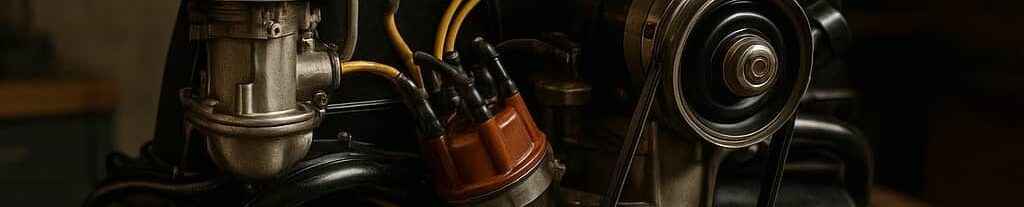
How to Inspect a Classic Car Before Purchase

Purchasing a classic car is an exciting journey that comes with its own set of challenges. The allure of timeless design and vintage performance attracts many enthusiasts, but it’s crucial to approach the buying process with a critical eye. Classic cars can vary widely in their condition, history, and value, making it imperative for potential buyers to conduct thorough inspections before making a commitment.
Before diving into the checklist, it’s important to understand why inspecting a classic car is essential. These vehicles often come with a history that includes previous accidents, restorations, and modifications. By examining the car carefully, you can uncover any hidden issues that could affect its performance or your investment. This article will provide you with valuable tips and a comprehensive checklist to ensure you make an informed purchase.
Whether you are a seasoned collector or a first-time buyer, knowing what to look for during the inspection process can save you time, money, and frustration. From assessing the bodywork and undercarriage to checking the engine and interior, being diligent in your evaluation will provide peace of mind as you take the plunge into the world of classic cars.
Inspecting Classic Cars Before Buying: Tips and Checklist

Before purchasing a classic car, a thorough inspection is essential to ensure a good investment. Begin by examining the exterior for signs of rust, dents, or poor paint jobs that could indicate previous accidents. Pay special attention to the undercarriage and wheel wells, as these areas often harbor hidden corrosion.
Next, inspect the interior for wear and tear. Check the condition of the seats, dashboard, and controls. Ensure that all electrical components, such as lights and windows, are functioning properly. Look for any signs of water damage, which can lead to more serious issues down the line.
Moving on to the engine, listen for unusual noises while it is running. A smooth, consistent sound is what you want to hear. Assess the fluid levels, including oil, coolant, and transmission fluid, and look for any leaks underneath the car. A well-maintained engine will show fewer signs of wear.
Furthermore, check the tires for tread depth and even wear. Uneven wear may indicate alignment or suspension issues. While taking the car for a test drive, pay attention to how it handles and brakes. Any vibrations, pulling to one side, or squeaking sounds should raise red flags.
Finally, verify the vehicle’s documentation. Confirm that the VIN on the car matches the title and records. This step will help ensure that the car has not been stolen or involved in any serious legal disputes. Conducting a complete inspection using this checklist can help you make an informed decision when buying a classic car.
Key Structural Areas to Examine in Classic Cars
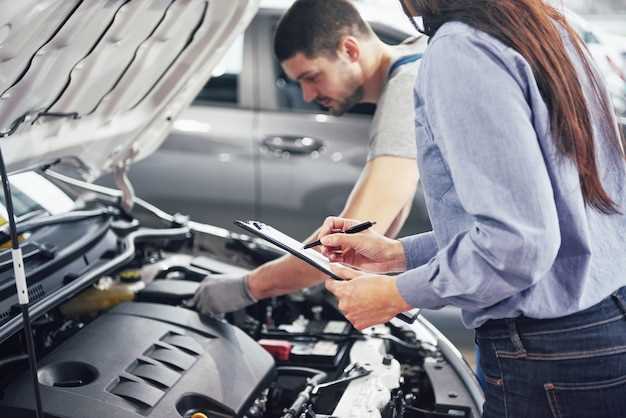
When conducting a thorough inspection of classic cars, specific structural areas should be prioritized to ensure overall integrity and safety. One of the most critical areas is the frame. Inspect the frame for signs of rust, corrosion, or any previous welding that might indicate accident history. A compromised frame can lead to serious handling and safety issues.
Another key area is the floor pans. These components are essential for the car’s structural stability. Look for rust perforations or soft spots, as these can weaken the overall structure and may require costly repairs. Pay special attention to the areas near the pedals and under the seats, which are commonly affected.
The body panels should also be scrutinized during the inspection. Ensure that the doors, hood, and trunk align properly and open and close smoothly. Look for mismatched paint, which could suggest that body repairs have been made due to an accident. Checking for bubbles or blistering in the paint can also indicate underlying rust.
Don’t overlook the suspension components. Inspect the control arms, bushings, and shock absorbers for wear and tear. A well-maintained suspension is crucial for stability and performance, especially in classic cars that are often driven in varied conditions.
Finally, examine the engine bay for any signs of leaks or corrosion. Inspect the condition of the firewall, which separates the engine from the cabin, for structural integrity. A sound engine bay is indicative of a well-cared-for classic car and can prevent future mechanical issues.
By focusing on these key structural areas during your car inspection, you can significantly reduce the risk of purchasing a classic vehicle with hidden problems, ensuring a rewarding ownership experience.
Essential Tools and Techniques for Thorough Car Inspection
When inspecting a classic car before making a purchase, having the right tools and techniques is crucial for a comprehensive evaluation. Start with a quality flashlight to illuminate dark areas such as under the car and in the engine bay. This will help you identify rust, corrosion, and other hidden issues.
A basic mechanic’s tool set can be invaluable. Include a socket set, screwdrivers, pliers, and wrenches. This allows you to tighten loose bolts, check fluid levels, and perform minor adjustments during the inspection. A compression tester is also a must-have, as it helps assess the engine’s health by measuring the pressure within the cylinders.
A magnet can be used to check for bodywork issues. If the magnet doesn’t stick to certain areas, this may indicate the presence of body filler or rust beneath the surface. A paint thickness gauge is another essential tool, allowing you to measure the paint depth on various sections of the car, helping you detect repainting or repair work that might not be visible to the naked eye.
Bring along a moisture meter to assess the levels of humidity in the car’s interior and exterior. High moisture readings could signal leaks or water damage, particularly in classic models known for such issues. Additionally, a car scan tool can help read diagnostic codes from the vehicle’s onboard computer, providing insights into potential mechanical problems.
Utilizing a checklist will streamline the inspection process. Ensure the checklist includes items such as tire condition, brake performance, suspension behavior, and the functionality of electrical components. Engage in a test drive, listening for unusual noises and assessing handling characteristics. Always remember to conduct a thorough visual inspection, taking your time to examine every aspect of the car.
Finally, consider bringing a knowledgeable friend or a professional inspector along. They may spot issues you might overlook and offer their expertise during the car inspection. Knowing these essential tools and techniques will help you make an informed decision when purchasing a classic car.
Understanding Common Issues in Classic Models
When inspecting classic cars, it’s crucial to be aware of common issues that can arise due to age and wear. Here are key areas to focus on during your inspection:
- Rust and Corrosion:
Classic cars are particularly susceptible to rust. Pay close attention to the undercarriage, wheel wells, and body panels. Look for bubbling paint or flaky surfaces that indicate rust damage.
- Engine Problems:
Check for leaks, strange noises, or rough idling. An engine in poor condition can be costly to repair. Look for signs of oil leaks and listen for any unusual sounds during startup.
- Electrical System Failures:
Electronics in classic cars can be unreliable. Inspect wiring for fraying or corrosion and test lights, signals, and gauges to ensure they are functioning correctly.
- Suspension and Steering Issues:
Worn suspension components can lead to handling problems. Check for any unusual noises during a test drive and inspect the bushings, shock absorbers, and steering mechanisms.
- Brake System Condition:
Examine brake pads, rotors, and lines for wear and tear. Poor braking performance can be a serious safety concern. Test the brakes during your inspection to ensure they are responsive.
- Interior Wear:
Inspect seats, carpets, and other interior components for damage or excessive wear. Faded upholstery or torn materials can detract from the overall value and comfort of the car.
By focusing on these common issues during your inspection, you can make a more informed decision when purchasing a classic car. Understanding these potential problems will help you negotiate a fair price and avoid unexpected repair costs in the future.


